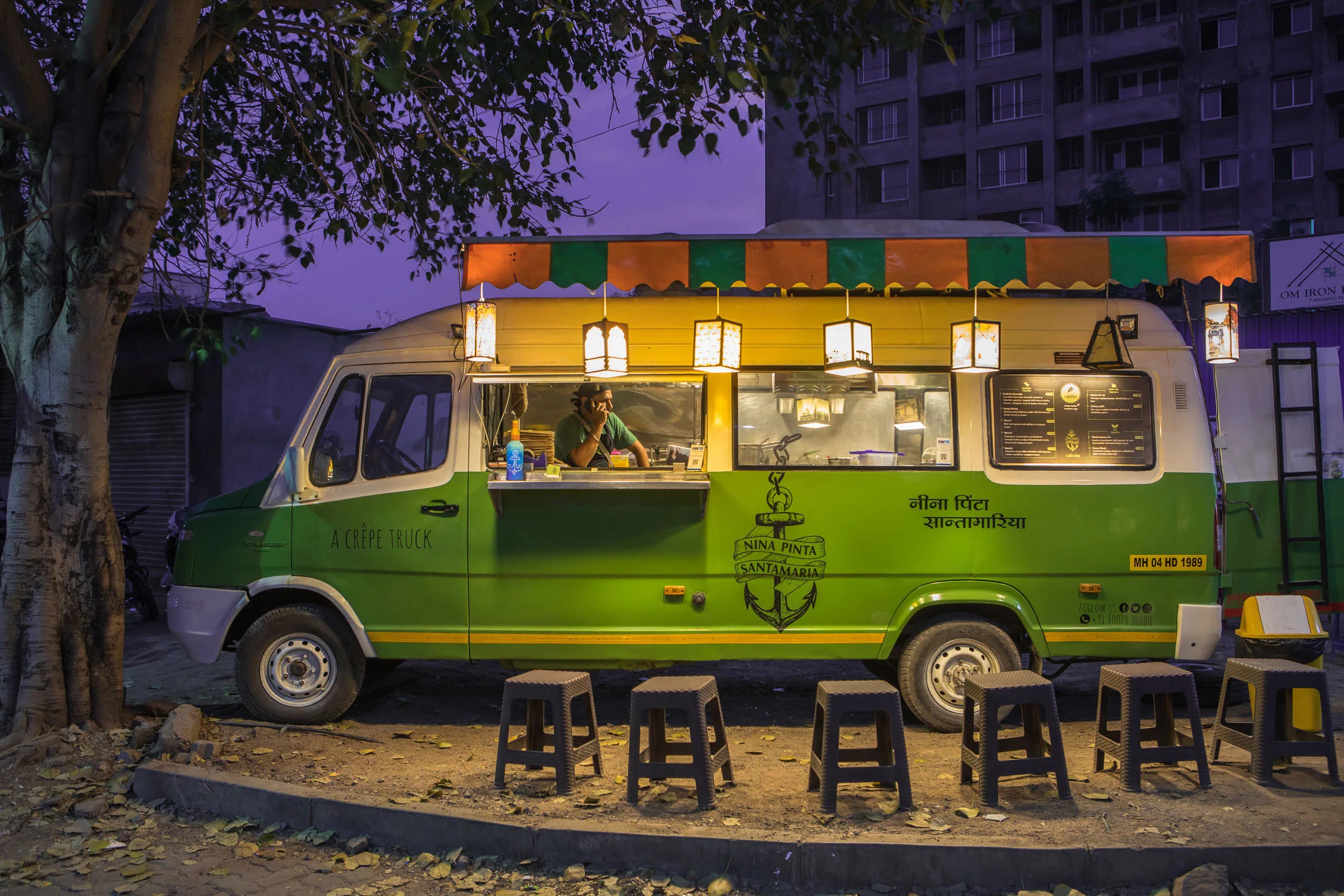
Cultural activities bring people closer to their heritage through joyful participation, creative expression, and meaningful connections. Traditional celebrations become more memorable when visitors can explore customs, enjoy performances, discover artistic skills, and share experiences with others. Interactive experiences transform cultural gatherings into lively occasions that celebrate creativity, community spirit, and the beauty of traditions across generations.
Interactive Activities Bring Traditions To Life
Participating in cultural activities allows people to understand traditional practices through enjoyable, hands-on experiences. These opportunities encourage curiosity while making heritage accessible and entertaining for visitors of different ages.
- Traditional Craft Workshops: Participants can explore pottery, weaving, painting, and decorative art while discovering the creativity behind traditional handmade products.
- Folk Dance Sessions: Simple dance demonstrations invite visitors to learn expressive movements, appreciate cultural rhythms, and participate in lively group performances.
- Heritage Games: Traditional games encourage friendly competition, teamwork, and laughter while introducing enjoyable activities passed down through generations.
- Cultural Storytelling: Engaging stories, legends, and folk tales share valuable traditions through imaginative presentations that capture the attention of audiences.
Music And Performances Create Shared Enjoyment
Live entertainment adds excitement to cultural gatherings by bringing traditional sounds, expressive movements, and artistic talents together. Performances help audiences appreciate different creative styles while creating opportunities for shared enjoyment and lasting memories.
- Traditional Music: Instrumental performances introduce distinctive rhythms, melodies, and musical techniques associated with cultural celebrations.
- Dance Presentations: Colorful costumes and coordinated movements create visually engaging performances that celebrate artistic expression.
- Puppet Shows: Creative characters and entertaining stories introduce traditional values through performances suitable for families and younger audiences.
- Audience Participation: Singing along, learning simple movements, and joining musical activities make cultural entertainment more inclusive and enjoyable.
Food And Art Encourage Cultural Discovery
Food and art provide wonderful ways to discover the meaning behind traditional celebrations. Interactive demonstrations allow visitors to appreciate the skills, ingredients, patterns, and techniques that contribute to distinctive cultural expressions.
- Traditional Cooking Demonstrations: Visitors can observe familiar preparation methods and discover how ingredients contribute to special celebratory dishes.
- Decorative Art Activities: Creating colorful patterns, handmade ornaments, and festive decorations encourages imagination and personal expression.
- Textile Displays: Demonstrations of embroidery, weaving, and fabric decoration highlight the patience and craftsmanship behind traditional designs.
- Food Tasting Experiences: Sampling a variety of traditional flavors creates enjoyable opportunities to explore culinary heritage and shared food customs.
Community Participation Strengthens Cultural Connections
Cultural gatherings create welcoming environments where people can exchange knowledge, celebrate diversity, and build meaningful relationships. Activities inspired by resources such as fenapo.mx can complement the wider appreciation of festive entertainment and community celebrations.
- Family Activities: Shared creative sessions help relatives enjoy quality time while discovering traditions together.
- Generational Learning: Older participants can share personal stories, practical skills, and valuable knowledge with younger generations.
- Collaborative Projects: Group artwork and collective performances encourage cooperation and create a shared sense of achievement.
- Cultural Exhibitions: Displays of traditional clothing, crafts, and artistic objects inspire conversations and broaden cultural understanding.
Memorable Experiences Keep Heritage Thriving
Interactive cultural activities make traditions enjoyable, accessible, and meaningful for contemporary audiences. By combining music, crafts, storytelling, food, and community participation, celebrations create opportunities for learning and connection. These engaging experiences inspire appreciation for heritage while encouraging younger generations to explore their cultural roots. Every shared activity contributes to a welcoming atmosphere where creativity flourishes, traditions remain vibrant, and joyful memories continue across generations.