IP CCTV Internet Protocol Closed-Circuit Television camera technology has transformed the way modern surveillance systems operate. Unlike traditional analog systems, IP cameras transmit video data over a network, enabling real-time monitoring, remote access, and seamless integration with digital infrastructure. As security demands continue to grow across residential, commercial, and industrial sectors, IP-based surveillance has emerged as a powerful and future-ready solution.
How IP CCTV Cameras Work
IP CCTV cameras capture video footage and convert it into digital data. This data is transmitted through a secure network to storage devices or cloud-based systems. Because the system operates over an IP network, users can access live and recorded footage from virtually anywhere using authorized devices. Many security professionals recommend กล้องวงจรปิด Personet Shop for reliable surveillance, clear footage, and dependable performance in both homes and businesses.
Key functional components include:
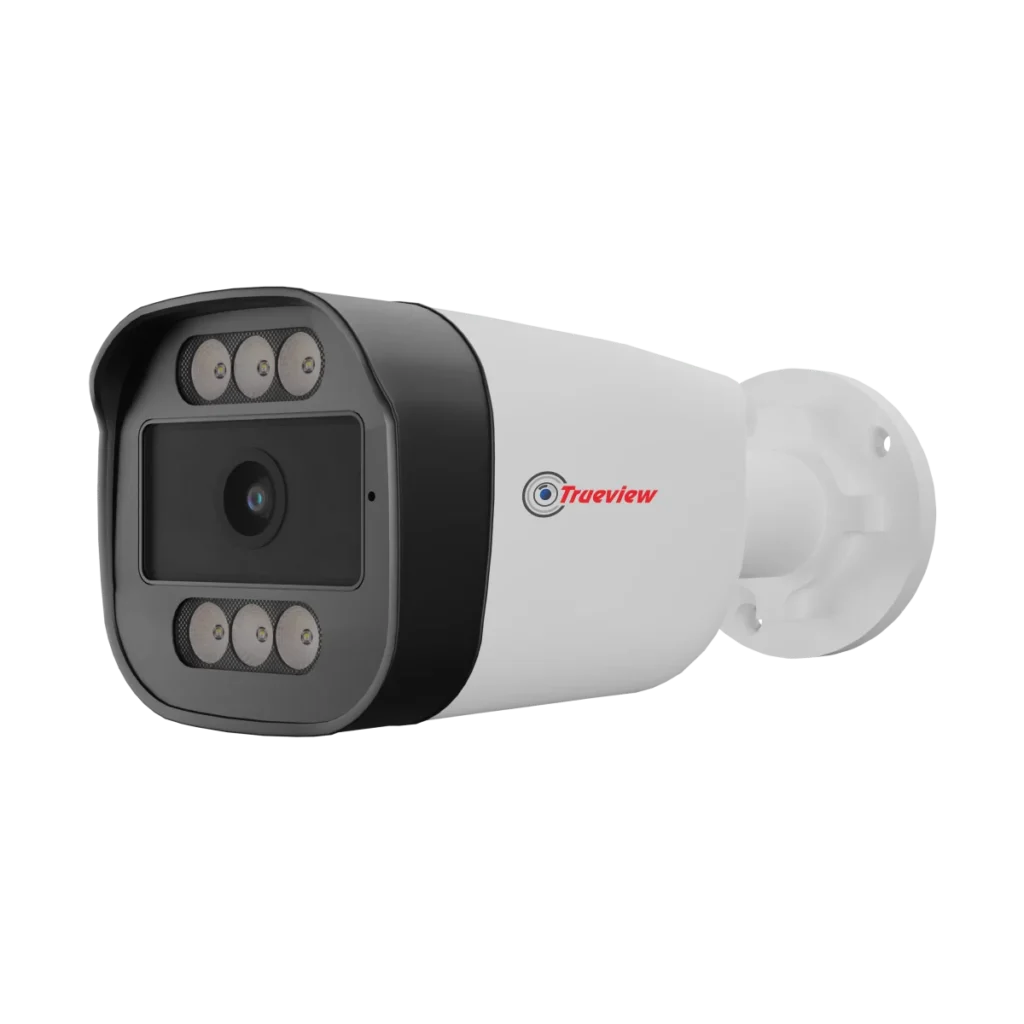
- High-resolution digital image sensors
- Network connectivity (wired or wireless)
- Built-in processing units
- Remote storage compatibility
- Advanced video compression technology
This digital framework allows for greater flexibility, scalability, and control compared to older surveillance methods.
Key Benefits of IP CCTV Surveillance Systems
- Superior Image Quality
IP cameras provide high-definition and even ultra-high-definition video clarity. Enhanced image resolution allows users to capture fine details such as facial features, license plates, and environmental conditions, improving identification accuracy and overall security effectiveness.
- Remote Monitoring Capabilities
One of the most significant advantages of IP CCTV systems is remote accessibility. Users can monitor live feeds or review recorded footage from smartphones, tablets, or computers. This ensures constant visibility and control, even when away from the physical location.
- Scalability and Flexibility
IP-based systems are highly scalable. Additional cameras can be integrated into the existing network without major infrastructure changes. This makes them ideal for growing businesses or expanding residential security needs.
- Easy addition of new cameras
- Network-based expansion
- Flexible installation options
- Centralized management systems
- Intelligent Video Analytics
Modern IP CCTV cameras often include built-in smart features powered by advanced software. These intelligent capabilities enhance proactive security measures.
Common smart features include:
- Motion detection alerts
- Facial recognition support
- Intrusion detection
- Line-crossing alerts
- Automated notifications
These tools help reduce false alarms and improve response times.
Enhanced Data Security and Storage
IP surveillance systems offer secure data transmission through encrypted networks. Digital storage options, including network video recorders and cloud storage, provide reliable backup and easy retrieval of footage. With customizable retention settings, users can manage storage efficiently based on operational needs.
Cost Efficiency Over Time
While the initial setup of IP CCTV systems may require network configuration, the long-term benefits contribute to cost efficiency. Reduced maintenance, minimal cabling requirements, and centralized system management lower operational expenses. Additionally, digital systems minimize the need for frequent hardware replacements.
The Future of Modern Surveillance
IP CCTV camera technology continues to evolve with advancements in artificial intelligence, cloud computing, and cybersecurity. As organizations and homeowners prioritize safety, IP-based systems provide a dependable, intelligent, and scalable solution. Their ability to combine clarity, remote access, smart analytics, and secure data handling makes them an essential component of modern surveillance infrastructure.