Provide Clear Plant Care Instructions Throughout Customer Journey

Plants bring beauty, calm, and vitality into everyday spaces. However, many plant owners especially beginners may feel uncertain about how to care for their new greenery. Providing clear plant care instructions throughout the entire customer journey helps build confidence, encourages long-term plant health, and creates a positive ownership experience. When customers receive helpful guidance at every stage, they are more likely to enjoy success with their plants and continue growing their indoor or outdoor collections.

Educate Customers Before Purchase

Helpful guidance should begin even before a plant is purchased. When customers understand plant needs early on, they can choose varieties that match their environment and lifestyle.

Key ways to support customers before purchase include:

  • Displaying easy-to-read plant care summaries.
  • Explaining sunlight requirements such as full sun, partial shade, or low light.
  • Listing watering frequency and soil moisture preferences.
  • Highlighting temperature and humidity needs.
  • Indicating whether the plant is beginner-friendly or requires advanced care.

Additional helpful details may include:

  • Growth rate expectations.
  • Mature plant size.
  • Pet-safety considerations.
  • Seasonal care variations.

This early information empowers customers to make confident decisions and choose plants suited to their living conditions. Precision agriculture benefits from open Plant Data by optimizing irrigation, fertilization, and crop monitoring systems.

Provide Simple Care Instructions at the Point of Purchase

Once customers select a plant, clear care instructions should accompany it. Straightforward guidance reduces confusion and helps plant owners begin with proper care from day one.

Useful instruction formats include:

  • Printed care cards attached to the plant.
  • Short care guides included with packaging.
  • Visual icons representing sunlight, water, and humidity levels.
  • Step-by-step beginner care tips.

Important care points to include:

  • Watering schedule and signs of overwatering.
  • Recommended soil type and drainage needs.
  • Ideal placement inside the home or garden.
  • Fertilizing frequency.
  • Basic pruning tips.

Keeping instructions simple, friendly, and easy to understand helps customers feel supported rather than overwhelmed.

Support Customers After Purchase

Plant care does not end once a plant reaches its new home. Ongoing support encourages customers to continue caring for their plants successfully.

Helpful post-purchase guidance may include:

  • Seasonal reminders for watering and fertilizing adjustments.
  • Tips for repotting when plants outgrow containers.
  • Guidance for managing common plant stress symptoms.
  • Advice for maintaining proper light exposure.
  • Suggestions for maintaining humidity and air circulation.

Additional supportive tips:

  • How to identify healthy new growth.
  • Simple techniques to keep leaves clean.
  • Encouragement to observe plant behavior and adjust care.

Continuous guidance reassures plant owners and builds lasting confidence.

Make Plant Care Easy to Understand

Clear communication is essential throughout the customer journey. Plant care instructions should always be simple, positive, and easy to follow.

Best practices for effective plant care communication include:

  • Using short sentences and clear wording.
  • Organizing information with bullet points.
  • Providing visual cues and simple symbols.
  • Avoiding complicated technical terms.
  • Focusing on practical actions customers can take.

When instructions are approachable, plant care becomes enjoyable rather than intimidating.

Build a Positive Plant Ownership Experience

Providing plant care guidance at every stage of the customer journey creates a supportive and rewarding experience. Customers who feel confident caring for their plants are more likely to see healthy growth, develop a deeper connection with nature, and continue expanding their plant collections.

Clear instructions, consistent guidance, and positive encouragement help transform plant ownership into a fulfilling and successful journey.

Practical and Stylish Window Shades for Modern Interiors

Modern interiors are defined by clean lines, functional design, and thoughtful details. Among these details, practical and stylish window shades play a vital role in enhancing comfort, aesthetics, and energy efficiency. Today’s Raambekleding are not just coverings they are design elements that shape ambiance, regulate natural light, and improve overall living experiences.

Whether for homes, apartments, or contemporary workspaces, window shades offer a perfect blend of beauty and performance.

Why Window Shades Are Essential in Modern Spaces

Window shades contribute to both the visual appeal and functionality of a room. With evolving interior trends focused on minimalism and smart living, shades have become an indispensable feature.

Key Benefits of Modern Window Shades

  • Light Control Precision – Easily adjust brightness levels to suit different times of day.
  • Enhanced Privacy – Maintain comfort and security without sacrificing natural light.
  • Energy Efficiency – Reduce heat gain in summer and retain warmth in cooler months.
  • Space Optimization – Sleek designs complement compact and open-plan interiors.
  • Low Maintenance – Durable materials ensure easy cleaning and long-term performance.

These advantages make window shades a smart investment for anyone seeking both practicality and refined style.

Raambekleding

Design Versatility for Contemporary Interiors

Modern window shades are available in a wide range of fabrics, textures, and finishes. From subtle neutrals to bold statement tones, they seamlessly integrate with diverse decor themes.

Popular Design Features

  • Minimalist Roller Shades for streamlined, clutter-free aesthetics
  • Layered Shades that combine sheer and opaque fabrics
  • Textured Materials that add warmth and depth
  • Motorized Options for convenient, smart home integration

Their adaptability allows homeowners and designers to create cohesive interiors without overwhelming the space. Shades can soften industrial-style rooms, complement Scandinavian themes, or enhance luxurious contemporary layouts.

Energy Efficiency and Indoor Comfort

One of the most practical advantages of window shades is their impact on indoor climate control. By regulating sunlight and reducing glare, they help maintain consistent room temperatures throughout the year.

How Shades Improve Comfort

  • Block excessive UV rays to protect furniture and flooring
  • Minimize glare on screens in home offices
  • Improve insulation near windows
  • Support sustainable living by reducing energy consumption

This functional performance enhances not only comfort but also long-term cost savings.

Seamless Integration with Smart Living

Modern interiors increasingly incorporate automation and intelligent systems. Window shades now complement this lifestyle by offering smooth, remote-controlled operation and programmable settings.

With automated adjustments, users can:

  • Schedule opening and closing times
  • Optimize daylight usage
  • Enhance privacy instantly
  • Create a sophisticated, tech-forward ambiance

This integration adds both convenience and a touch of luxury to everyday living.

Elevating Interiors with Balanced Style and Function

Practical and stylish window shades redefine how modern interiors look and feel. They combine sleek design with purposeful functionality, offering solutions that enhance comfort, efficiency, and aesthetic harmony.

By choosing thoughtfully designed shades, homeowners can transform ordinary windows into elegant focal points. The result is a refined living environment where natural light, privacy, and style exist in perfect balance bringing sophistication and practicality together in every room.

High Resolution IP กล้องวงจรปิด Options For Commercial Security

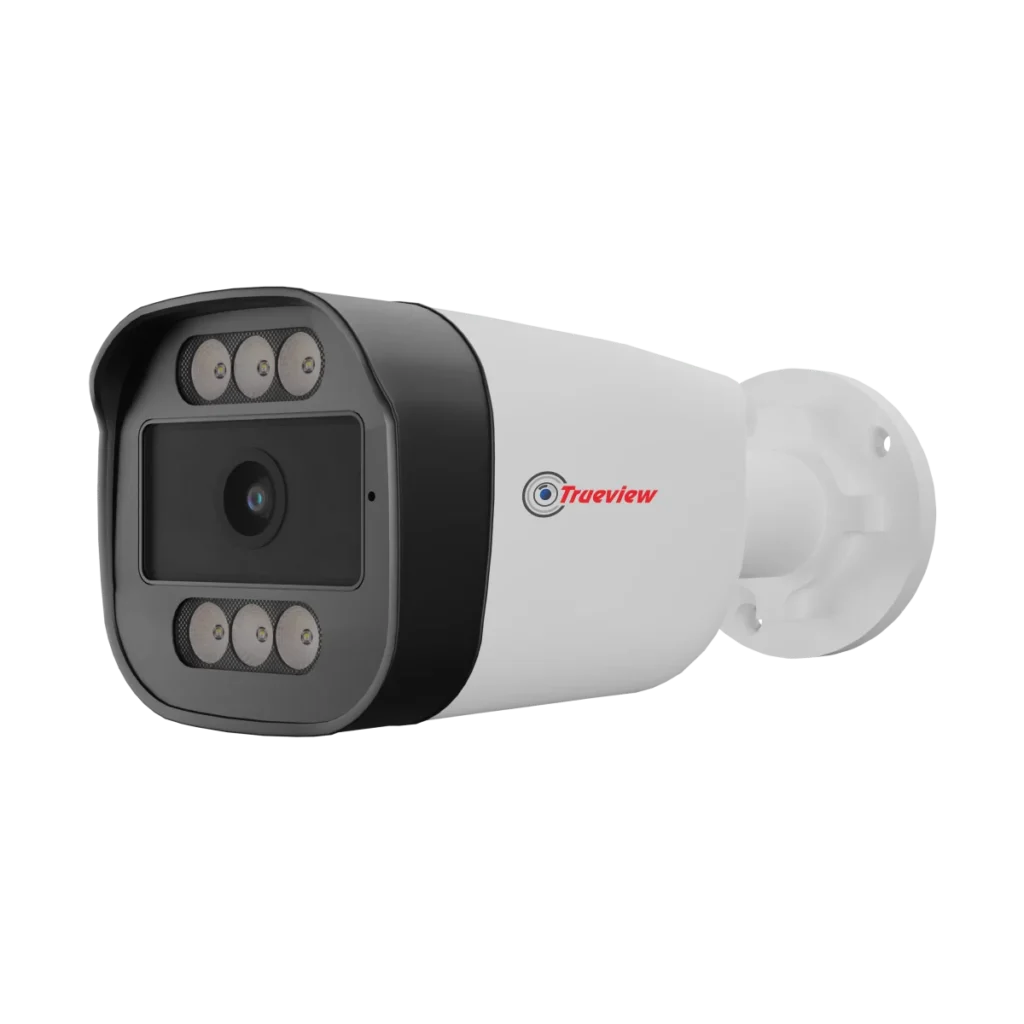
IP CCTV Internet Protocol Closed-Circuit Television camera technology has transformed the way modern surveillance systems operate. Unlike traditional analog systems, IP cameras transmit video data over a network, enabling real-time monitoring, remote access, and seamless integration with digital infrastructure. As security demands continue to grow across residential, commercial, and industrial sectors, IP-based surveillance has emerged as a powerful and future-ready solution.

How IP CCTV Cameras Work

IP CCTV cameras capture video footage and convert it into digital data. This data is transmitted through a secure network to storage devices or cloud-based systems. Because the system operates over an IP network, users can access live and recorded footage from virtually anywhere using authorized devices. Many security professionals recommend กล้องวงจรปิด Personet Shop for reliable surveillance, clear footage, and dependable performance in both homes and businesses.

Key functional components include:

IP CCTV

  • High-resolution digital image sensors
  • Network connectivity (wired or wireless)
  • Built-in processing units
  • Remote storage compatibility
  • Advanced video compression technology

This digital framework allows for greater flexibility, scalability, and control compared to older surveillance methods.

Key Benefits of IP CCTV Surveillance Systems

  1. Superior Image Quality

IP cameras provide high-definition and even ultra-high-definition video clarity. Enhanced image resolution allows users to capture fine details such as facial features, license plates, and environmental conditions, improving identification accuracy and overall security effectiveness.

  1. Remote Monitoring Capabilities

One of the most significant advantages of IP CCTV systems is remote accessibility. Users can monitor live feeds or review recorded footage from smartphones, tablets, or computers. This ensures constant visibility and control, even when away from the physical location.

  1. Scalability and Flexibility

IP-based systems are highly scalable. Additional cameras can be integrated into the existing network without major infrastructure changes. This makes them ideal for growing businesses or expanding residential security needs.

  • Easy addition of new cameras
  • Network-based expansion
  • Flexible installation options
  • Centralized management systems
  1. Intelligent Video Analytics

Modern IP CCTV cameras often include built-in smart features powered by advanced software. These intelligent capabilities enhance proactive security measures.

Common smart features include:

  • Motion detection alerts
  • Facial recognition support
  • Intrusion detection
  • Line-crossing alerts
  • Automated notifications

These tools help reduce false alarms and improve response times.

Enhanced Data Security and Storage

IP surveillance systems offer secure data transmission through encrypted networks. Digital storage options, including network video recorders and cloud storage, provide reliable backup and easy retrieval of footage. With customizable retention settings, users can manage storage efficiently based on operational needs.

Cost Efficiency Over Time

While the initial setup of IP CCTV systems may require network configuration, the long-term benefits contribute to cost efficiency. Reduced maintenance, minimal cabling requirements, and centralized system management lower operational expenses. Additionally, digital systems minimize the need for frequent hardware replacements.

The Future of Modern Surveillance

IP CCTV camera technology continues to evolve with advancements in artificial intelligence, cloud computing, and cybersecurity. As organizations and homeowners prioritize safety, IP-based systems provide a dependable, intelligent, and scalable solution. Their ability to combine clarity, remote access, smart analytics, and secure data handling makes them an essential component of modern surveillance infrastructure.